


2027 NBA Draft Top Prospects: Fan Guide to the Big Boards
College basketball just tipped off, and with it the 2027 NBA draft cycle has officially begun. The first serious big boards of the season are out, and they agree on a starting point: Kansas freshman Tyran Stokes is the name to beat. Behind him is a wide-open race that includes a Slovenian teenager playing pro ball in Spain, a long-armed BYU wing, two tough-minded freshman guards and a handful of veterans who turned down the draft last spring to come back for another year. This fan guide breaks down who the early boards like, why scouts are calling 2027 a tricky class, which college teams to put on your TV schedule, and how the NBA's brand-new 3-2-1 lottery will decide who actually gets to pick first.
The 2027 NBA draft at a glance
In ESPN's first 2027 big board, Jeremy Woo writes that NBA teams have expected 2027 to be a "down" draft for several reasons, starting with an incoming freshman class that is considered weaker than the past few. That does not mean teams will stop chasing young talent near the top. It does mean there is more room than usual for older prospects to climb, and for players who went back to school to cement themselves as first-rounders.
Chris Kline of FanSided makes a similar point in FanSided's top 60: there are no prospects in this group at the level of last year's headliners like AJ Dybantsa, Darryn Peterson and Cameron Boozer, but there is a full season of basketball left, and perception can change fast. For fans, that is good news. A flatter class means more players have a real shot at climbing into the lottery with a big winter, and more college games in February will carry real draft stakes.
Two bigger forces are also shaping this cycle:
- Five years of eligibility. Woo notes that college basketball is now loaded with older players because of the NCAA's new five-year eligibility rule. That makes it harder to judge freshmen, who are often going up against 22- and 23-year-olds.
- NIL money. According to ESPN, Division I programs can now pay top players well above the contract value of a first-round pick. Woo expects that to thin out the first round, since many players on early boards will simply stay in school. Kline adds that some sophomores and juniors may pass on being a late first-round pick in hopes of a better spot in 2028.
Put it together and Woo's verdict is simple: this could be a particularly unpredictable year, and the board will likely change a lot in the coming months.
The early top 11: ESPN's first big board
Here is how ESPN's first 2027 board opens, with position, school, class, listed height and age taken directly from ESPN's first 2027 big board. Remember, this is a ranking of talent and NBA interest, not a mock draft. It does not consider team fit or draft order.
| Rank | Player | Pos. | Team | Class | Height | Age |
|---|---|---|---|---|---|---|
| 1 | Tyran Stokes | SF/PG | Kansas | Freshman | 6-8 | 19.1 |
| 2 | Stefan Joksimovic | PG | Baskonia (Slovenia) | International | 6-8 | 18.0 |
| 3 | Bruce Branch III | SG/SF | BYU | Freshman | 6-7 | 18.0 |
| 4 | Jordan Smith Jr. | SG/PG | Arkansas | Freshman | 6-2 | 19.1 |
| 5 | Caleb Holt | SG/PG | Arizona | Freshman | 6-5 | 18.9 |
| 6 | Quentin Coleman | SG/PG | Illinois | Freshman | 6-4 | 18.3 |
| 7 | Motiejus Krivas | C | Arizona | Senior | 7-2 | 21.9 |
| 8 | Braylon Mullins | SG | UConn | Sophomore | 6-6 | 20.5 |
| 9 | Thomas Haugh | SF/PF | Florida | Senior | 6-9 | 23.3 |
| 10 | Patrick Ngongba II | C | Duke | Junior | 6-11 | 20.7 |
| 11 | Ivan Kharchenkov | SF | Arizona | Sophomore | 6-7 | 20.1 |
FanSided's board largely agrees at the top. Kline also has Stokes at No. 1 and Joksimovic at No. 2, then shuffles the next group slightly, with Jordan Smith Jr. at No. 3, Caleb Holt at No. 4 and Vanderbilt junior guard Tyler Tanner at No. 5. When two independent boards line up on the first two names, that is about as much consensus as you get in November.
Tyran Stokes: the early favorite for No. 1
 Logo © University of Kansas, used for identification Kansas Jayhawks |
 Logo © Brigham Young University, used for identification BYU Cougars |
 Logo © University of Arizona, used for identification Arizona Wildcats |
Kansas, BYU and Arizona all have at least one top-five name on ESPN's early board.
Stokes enters the season as the headliner. ESPN lists him as a 6-foot-8 freshman forward who can also run the offense, and describes him as a "bona fide do-it-all perimeter talent" who can take over games on both ends. He can create advantages for teammates as a passer and punish mismatches with his handle and physicality, which is exactly the big, modern playmaker profile NBA teams covet.
The question marks are just as clear. Both boards flag his jump shot as a work in progress. ESPN says evaluators want better efficiency, consistency and maturity, and notes that his emotions can sometimes get in the way. FanSided lists a high turnover rate, inconsistent shooting, lax off-ball defense, and off-court concerns from high school. Woo is careful to say there is no true consensus at No. 1 yet, but Stokes' skill set gives him an edge as the college season gets going. For Jayhawks fans, that means every Kansas game this winter doubles as a No. 1 pick audition.
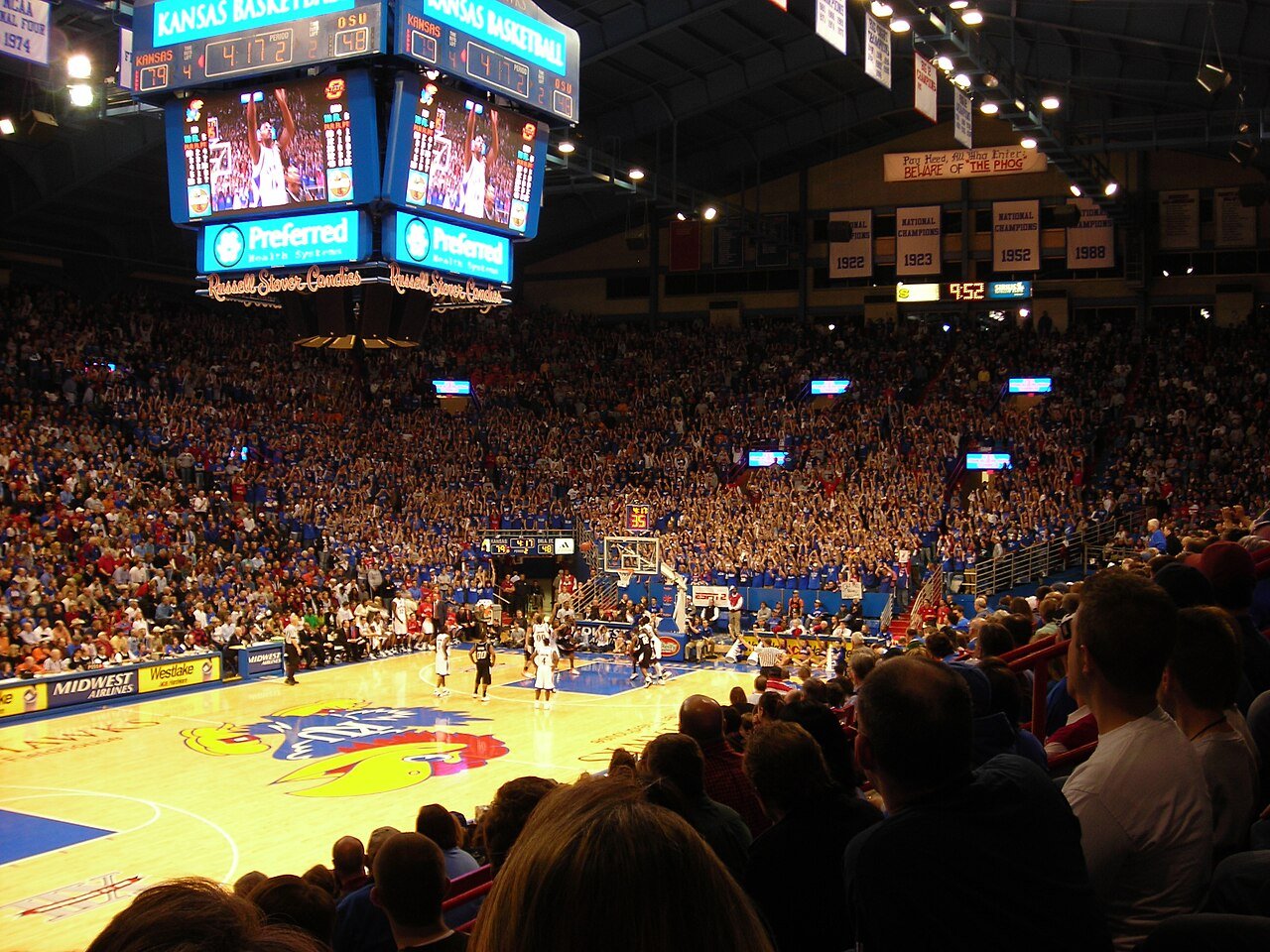
Stefan Joksimovic: the international challenger
The biggest threat to Stokes is not in college at all. Stefan Joksimovic is an 18-year-old point guard from Slovenia playing for Baskonia in Spain. ESPN says he jumped into the No. 1 conversation after leading Slovenia to gold at the under-18 EuroBasket over the summer, where he looked like a "jumbo on-ball maestro" capable of running an NBA offense someday.
At 6-foot-8 on ESPN's listing, he brings real size to the point guard spot, plus pick-and-roll instincts and creative passing. FanSided calls him a visionary passer with a quick lefty release and deep range. The concerns: he is still developing as a shooter according to ESPN, there are questions about creating without a screen, and FanSided notes he needs to add strength to absorb contact.
His role is the key storyline. Scouts entering the fall wondered how many minutes he would get at Baskonia. Woo reports he has played well lately and seen his minutes increase after the club made a coaching change in mid-October. If you want to follow him, keep an eye on Baskonia box scores, because he will not be on your local college broadcast.
Bruce Branch III and the BYU factor
ESPN's No. 3, Bruce Branch III, is one of the most interesting freshmen in the country. He is 18 years old, listed at 6-foot-7, and ESPN credits him with a 7-foot-1 wingspan and a strong build that should help him make an immediate impact on defense. He is a capable floor spacer and an unselfish passer with good vision.
The knock is that he does not yet create his own shot well off the dribble, and scouts have noted moments of passivity where he floats through games. Woo frames the big question as whether Branch can become a go-to scorer. But with his defense, his catch-and-shoot game, his age and what ESPN calls a strong development situation at BYU, he is a real candidate to go very high, and even a potential candidate at No. 1.
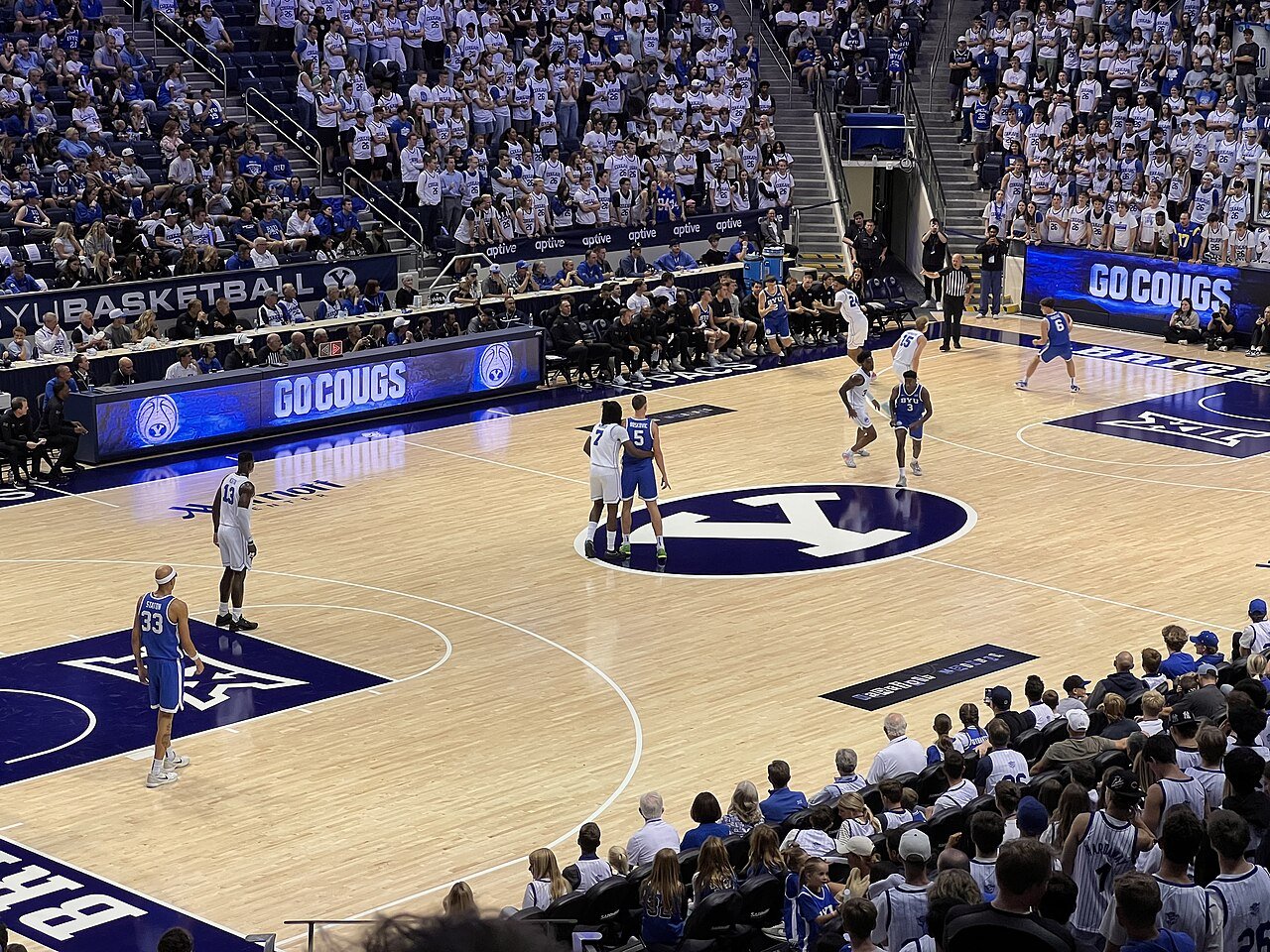
Guards with grit: Jordan Smith Jr. and Caleb Holt
Two freshman guards sit right behind the top three on both boards, and they share a lot of DNA.
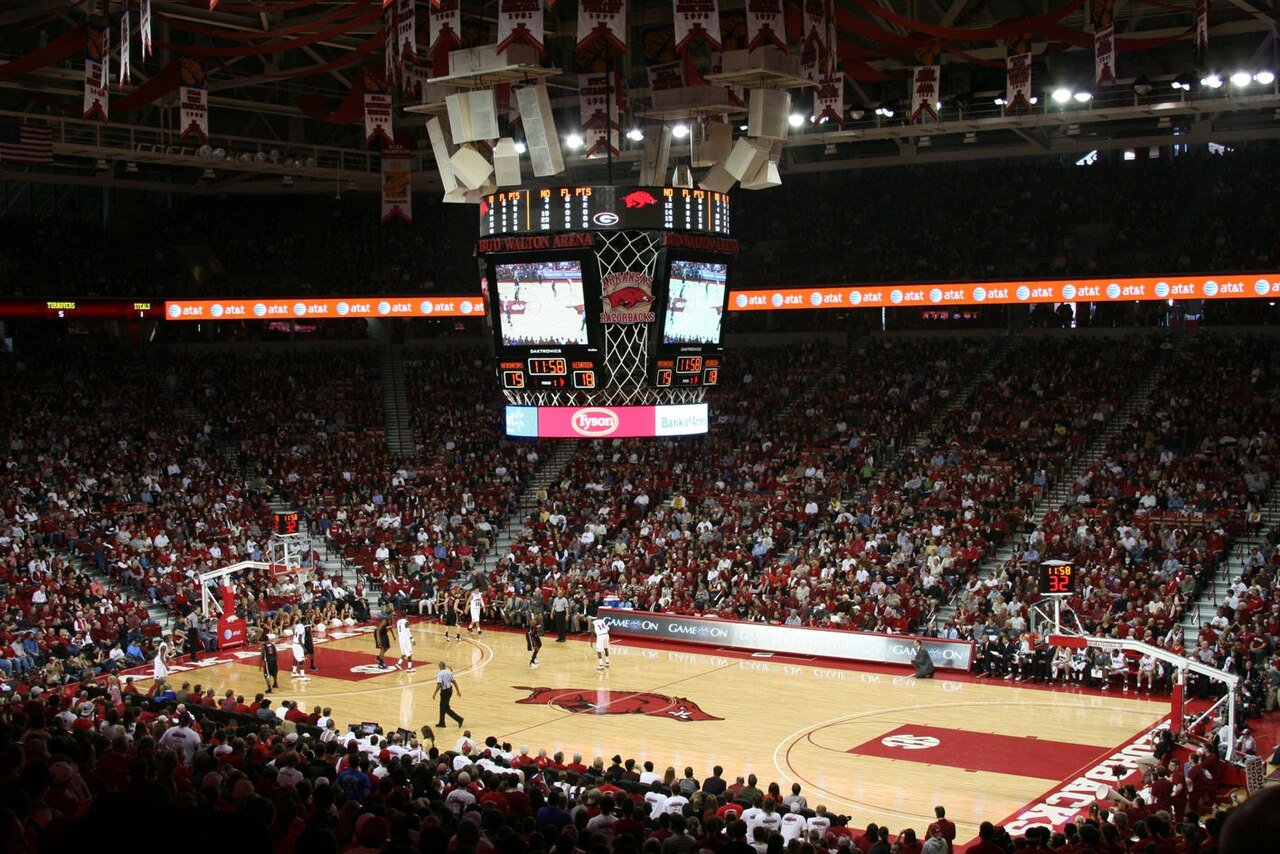
Jordan Smith Jr. (Arkansas). ESPN describes Smith as a top high school player who won with tenacious perimeter defense and explosive downhill and transition play. He has excellent speed, strength and length for a 6-foot-2 guard and plays extremely hard. FanSided calls him a "defensive stopper" with a plus wingspan and a "transition machine." The concern on both boards is the jumper. ESPN calls him an inconsistent shooter and not a natural point guard, and says he may need to show real offensive growth to push for the very top of the draft. The upside: Arkansas plans to feature him in a fast-paced setup that should give him plenty of decision-making reps.
Caleb Holt (Arizona). Holt's calling card is defense. ESPN highlights his ball pressure and ability to chase on the perimeter, plus his promise as an explosive secondary playmaker. FanSided puts it more bluntly: Holt "has that dawg in him," and is an elite on-ball defender who keeps mistakes to a minimum. Both boards agree his shooting mechanics and shot creation are still inconsistent, so his offensive growth this season will likely decide how high he goes. ESPN notes he steps in as the de facto replacement for Brayden Burries at Arizona.
Arizona's draft-heavy roster
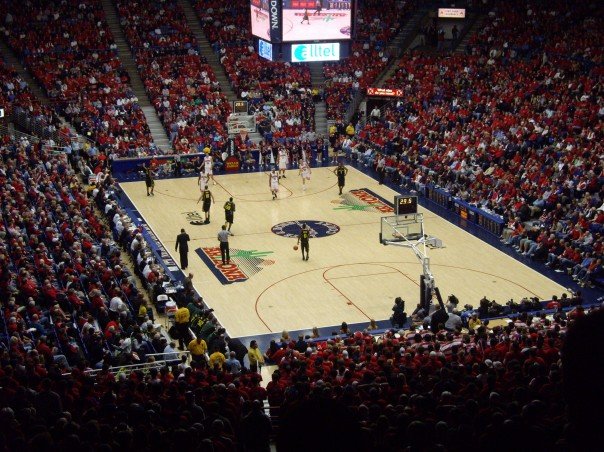
If you only have time to watch one college team for draft purposes, Arizona makes a strong case. Three Wildcats appear in ESPN's top 11:
- Caleb Holt (No. 5), the freshman guard covered above.
- Motiejus Krivas (No. 7), a 7-foot-2 senior center. ESPN says he was trending toward the first round of the 2026 draft before returning to school, and opens the season viewed by many scouts as the most NBA-ready college center. He averaged 10.4 points and 8.2 rebounds last season, is an outstanding paint protector and offensive rebounder, and showed touch with a 78% mark at the foul line. Woo thinks he could be the first big man off the board.
- Ivan Kharchenkov (No. 11), a 6-foot-7 sophomore forward. ESPN reports he took 20 shots and scored 38 points in Arizona's opener, a sign he is stepping into a much bigger role after averaging 10.4 points as a freshman. He shot just 31.7% from three last season, so a steadier jumper is the missing piece, but his strength and ability to guard multiple positions are his likely NBA calling card.
Risers and veterans who bet on themselves
One of the clearest effects of the new college landscape shows up in the back half of ESPN's top 11. Alongside one fast-rising freshman, several players could have been drafted last spring and chose to return instead:
- Quentin Coleman, Illinois (No. 6). ESPN says the 6-foot-4 freshman built momentum with NBA scouts over the spring and summer and is now in the one-and-done conversation. He is a disruptive defender, an outstanding rebounder for a guard and an increasingly confident shooter, and he takes over the minutes left by Keaton Wagler.
- Braylon Mullins, UConn (No. 8). ESPN calls him one of the best shooters in college basketball. Injuries slowed his freshman year, when he averaged 12.0 points and shot 42.1% from the field over 29 starts, but a new-look UConn team plans to make him an offensive focal point.
- Thomas Haugh, Florida (No. 9). Haugh turned down a chance to be a first-round pick and returned to lead a title contender. At 23.3 years old he is old for a prospect, but ESPN says he will be as NBA-ready as it gets as a high-energy defender and rebounder. He needs to improve on a career 32% three-point mark. Woo also suggests he could benefit from the flatter lottery odds, since win-now teams looking for plug-and-play players may end up picking higher than in years past.
- Patrick Ngongba II, Duke (No. 10). A 6-foot-11 junior center who looked slimmer and more aggressive in preseason, according to ESPN. He averaged 10.1 points and 5.8 rebounds in 21.9 minutes last season and, with Cameron Boozer gone to the NBA, Duke is set to run a lot of offense through him.
How the new 3-2-1 lottery works
The 2027 draft is the first under the NBA's new lottery format, and it changes the math for every struggling team. Here is how it works, according to NBA.com's lottery explainer:
- 16 teams instead of 14. The lottery now sets the order for the first 16 picks.
- Three balls for most non-playoff teams. Teams that miss both the playoffs and the Play-In Tournament get three lottery balls each.
- "Draft relegation" for the worst three. The teams with the three worst records lose one ball and get only two. They do have a safety net: each relegated team can fall no lower than No. 12. All other lottery teams can fall as far as No. 16.
- Play-In teams join the draw. The No. 9 and No. 10 Play-In seeds in each conference get two balls each, and the losers of the No. 7 vs. No. 8 Play-In games get one ball each.
- Repeat limits. No team's own pick can be No. 1 in two straight drafts or top five in three straight drafts.
- Tougher enforcement. The league gets expanded authority to punish tanking, including reducing lottery odds, changing draft position and issuing significant fines.
| Lottery group | Teams | Balls each |
|---|---|---|
| Three worst records | 3 | 2 |
| Other non-Play-In teams | 7 | 3 |
| No. 9 and No. 10 Play-In seeds | 4 | 2 |
| Losers of No. 7 vs. No. 8 Play-In games | 2 | 1 |
NBA.com says the 3-2-1 system will be used for the 2027, 2028 and 2029 drafts, with the rules after that to be decided by a future Board of Governors vote. Key dates for the 2027 lottery and draft have not been announced yet.
What does that mean for fans? If your team is bad, finishing dead last is no longer the best path to Stokes or Joksimovic. If your team is a borderline Play-In club, a loss in the 7-vs-8 game still earns a lottery ball. ESPN's Woo says the new system increases the variance in where teams end up picking, with the worst teams now able to fall outside the top 10 and Play-In teams getting more upward mobility. In a class with no clear superstar, that randomness is part of the fun.
Bottom line
The 2027 NBA draft starts with one clear favorite and a lot of open questions. Tyran Stokes has the inside track at No. 1 on both early boards, Stefan Joksimovic is the international wild card, and Bruce Branch III, Jordan Smith Jr. and Caleb Holt are all close enough to make it a race. Add NIL money, five years of eligibility and a brand-new 3-2-1 lottery, and this may be one of the least predictable draft cycles in years.
Related fan guides
- Wembanyama 52 Points: What Fans Should Know
- Sixers 8-1 Start: 5 Things Every 76ers Fan Should Know
- Champions Classic 2026: Duke vs Michigan State Fan Guide
- NBA Cup 2026: Schedule and Fan Guide
FAQ
Who is projected to be the No. 1 pick in the 2027 NBA draft?
Kansas freshman Tyran Stokes is No. 1 on both ESPN's first 2027 big board and FanSided's top 60. ESPN's Jeremy Woo notes there is no true consensus yet, with Slovenian guard Stefan Joksimovic at No. 2 on both boards.
Why is the 2027 NBA draft called a down year?
ESPN reports that NBA teams view this incoming freshman class as weaker than the past few, and FanSided says there are no prospects at the level of AJ Dybantsa, Darryn Peterson or Cameron Boozer. NIL pay and five-year eligibility may also keep many players in college.
How does the 3-2-1 NBA draft lottery work?
Sixteen teams enter the lottery. Most non-playoff teams get three balls, the three worst teams get two, the No. 9 and No. 10 Play-In seeds get two and the losers of the No. 7 vs. No. 8 Play-In games get one, according to NBA.com.
Which college team has the most top 2027 NBA draft prospects?
Arizona has three players in ESPN's top 11: Caleb Holt (No. 5), Motiejus Krivas (No. 7) and Ivan Kharchenkov (No. 11).
When is the 2027 NBA draft lottery?
NBA.com says the key dates for the 2027 draft process, including the lottery, have not been announced yet.
Sources
- ESPN (Jeremy Woo): 2027 NBA draft big board rankings, top 100 prospects
- TSN: Breaking down top prospects for 2027 NBA Draft (ESPN board)
- FanSided (Chris Kline): 2027 NBA Draft Big Board, top 60 prospects
- NBA.com: 2027 NBA Draft Lottery, odds, history and how it works
This is an independent fan article. Design Trend is not affiliated with or endorsed by the NFL, NBA, NCAA, NHL or any team mentioned.
SHARE
0 comment
Be the first to comment